01
Not just coding
AI has made coding faster. It has not made production-grade systems trivial. Secure, scalable, maintainable software still requires architecture and engineering discipline.
We help operationally heavy teams in India remove repetitive work, reduce delays, and automate critical workflows — with the right mix of deterministic systems and AI, and without forcing teams to abandon their existing tools or processes.
Already used in real compliance and regulatory workflows, saving work equivalent to 4–6 people at each of two firms.
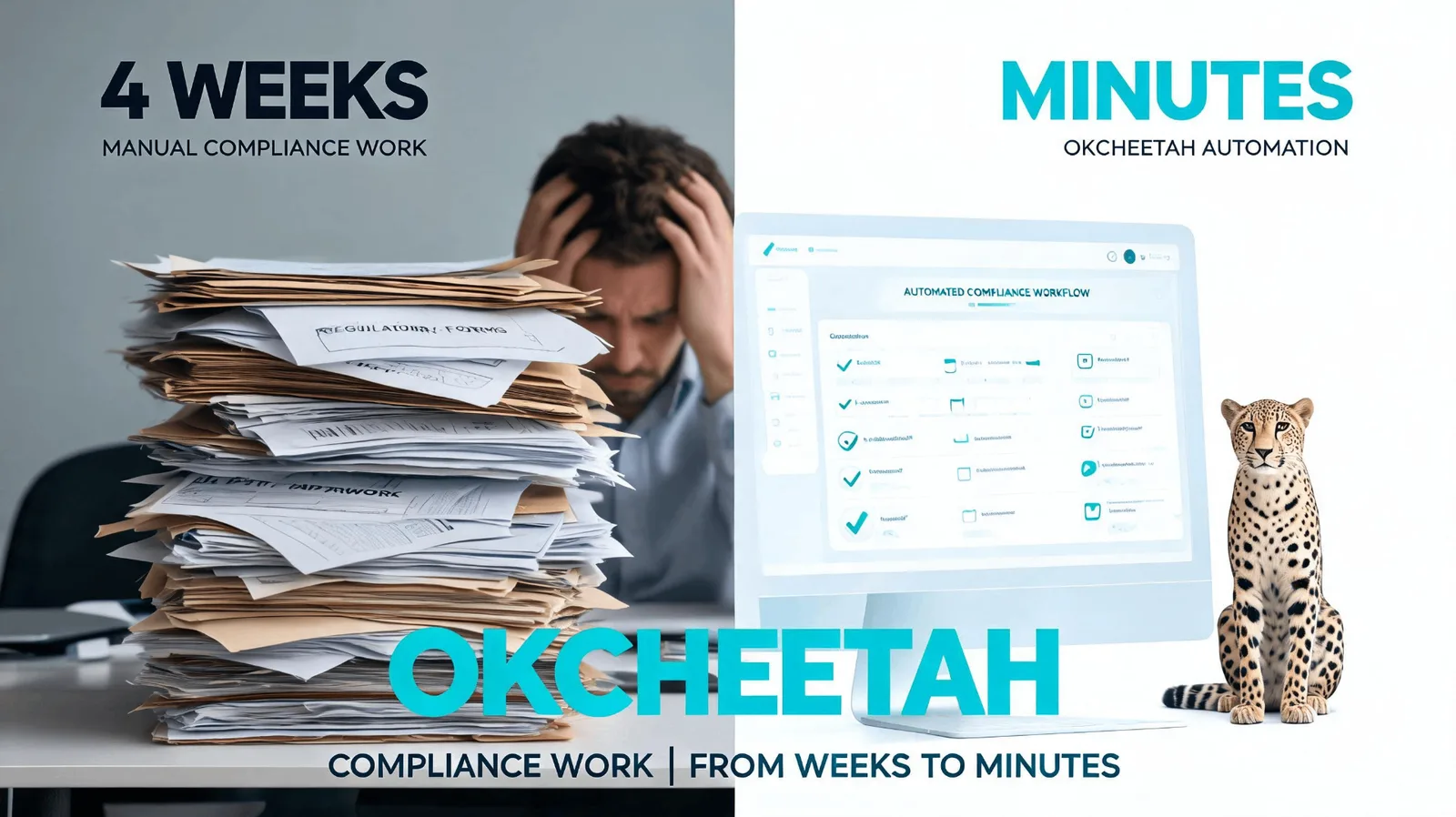
Manual follow-ups, scattered communication, repeated data entry, status chasing, document-heavy tasks, approval bottlenecks, and fragmented tools quietly slow teams down every day. These problems rarely appear as a single visible failure, but together they consume time, create delays, and increase operational risk.
Work waits in inboxes and chats between steps.
The same data entered, copied, and reformatted daily.
Information scattered across WhatsApp, email, and sheets.
Leaders can't see status without chasing updates.
Reminders, follow-ups, and approvals run on memory.
Small omissions compound into compliance and quality issues.
Today, almost anyone can generate code. That does not mean they can design a workflow system that actually works. The hard part is deciding what should be automated, what should remain human, where controls matter, where AI adds value, and how everything fits into the way teams already operate.
AI has made coding faster. It has not made production-grade systems trivial. Secure, scalable, maintainable software still requires architecture and engineering discipline.
We use deterministic systems where reliability matters, and AI where flexibility, interpretation, and speed create meaningful leverage.
We fit automation into real workflows — including WhatsApp, email, spreadsheets, internal tools, and messy operational realities.
We map how work actually happens today — including exceptions, handoffs, delays, dependencies, and hidden manual effort.
We prioritize the parts of the workflow where automation can free the most bandwidth, reduce the most risk, or create the fastest business impact.
We decide what should be deterministic, what should use AI, what should stay human, and how the experience should fit into existing tools and team behavior.
We implement with stability, access control, and room for safe customization, so the system keeps delivering value as workflows evolve.
Workflow systems become valuable only when people trust them. That is why we design for permissions, traceability, stability, and safe evolution from day one.
System logic, access control, integrations, architecture, and operational reliability live here. This layer is carefully managed to preserve security and stability.
Business teams can safely adapt workflow details, prompts, forms, routing behavior, or operational logic within controlled boundaries — without putting the underlying system at risk.
Think of it as a stable operating foundation with a flexible business layer on top — so change does not require rebuilding everything.
Filings, audits, and recurring submissions handled with traceability and control.
Receive, classify, extract, and route documents to the right people automatically.
Multi-step approvals with clear ownership, SLAs, and exception paths.
Stop chasing. Reminders, nudges, and dependencies run themselves.
Visibility layers that surface status, blockers, and bottlenecks in real time.
Tailored systems for SMBs and mid-sized businesses with unique operating realities.
We are industry-agnostic, but especially effective in process-heavy environments where work moves across people, documents, decisions, and deadlines.
We do not just build automations. We identify the right automation opportunities, design them properly, and make them work safely in the real world.
The biggest automation mistakes happen before the first line of code. We identify where automation will create the most value and where it will not.
Approvals, permissions, workflow logic, and critical process steps stay reliable. AI is used where interpretation, drafting, summarization, extraction, or flexible assistance creates leverage.
We do not force teams into a new operating model. We design around how your people already work, communicate, and coordinate.
A protected core layer preserves security, system integrity, and architectural stability. A configurable workflow layer gives client teams room to safely adapt processes without breaking the core.
We use AI-assisted engineering to shorten timelines and reduce implementation burden, while keeping quality, maintainability, and security strong.
Built by product and engineering leaders with global, FAANG-level standards and execution discipline — applied to real operational problems.
If work is getting stuck in approvals, follow-ups, document handling, compliance steps, or internal coordination, we would love to hear from you.
Write to us
team@okcheetah.comStart with one workflow. The leverage usually becomes obvious very quickly.